
 By Ministry of News

 Scanned

«Смотрящий» з Дніпра: як Вемір Давітян будував власну імперію впливу та вимагав мільйонні відкати в Запоріжжі

Businessman
 Media activity score based on the number of recorded publication changes.
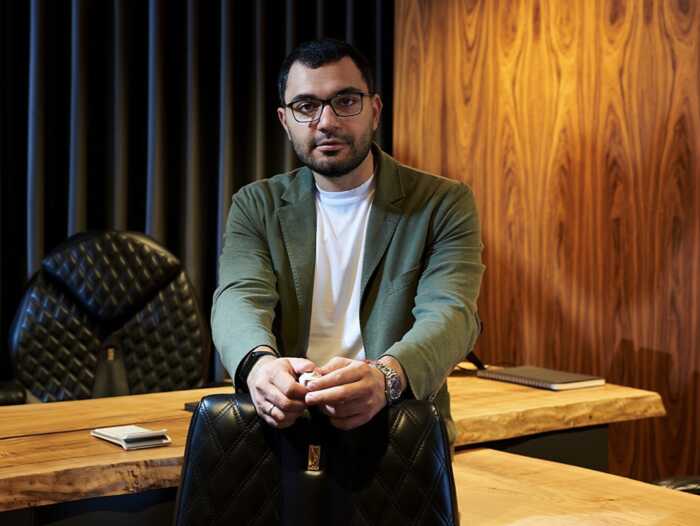
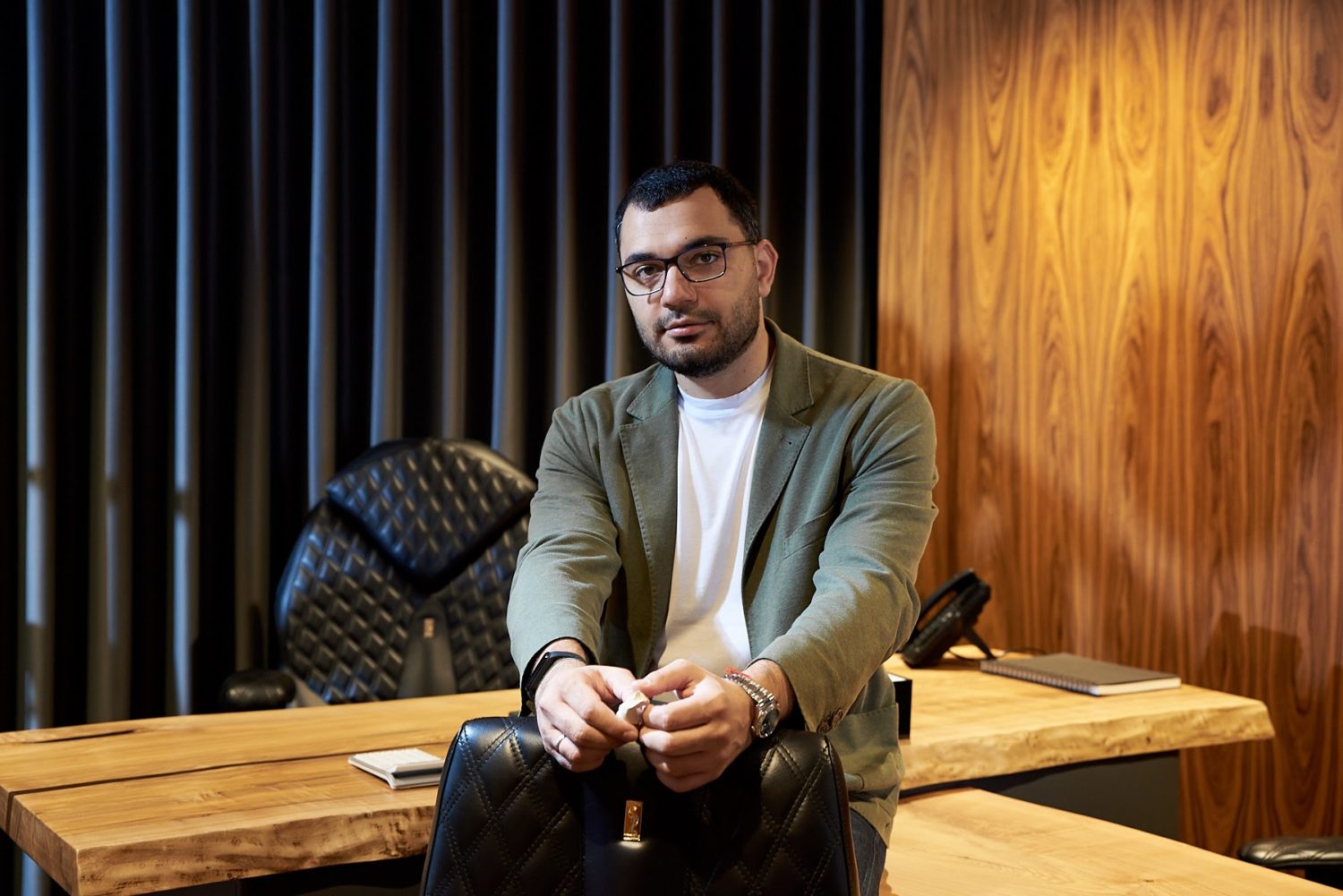
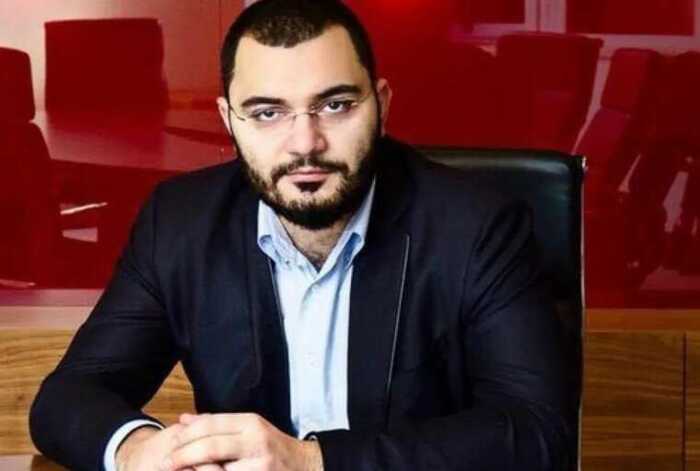
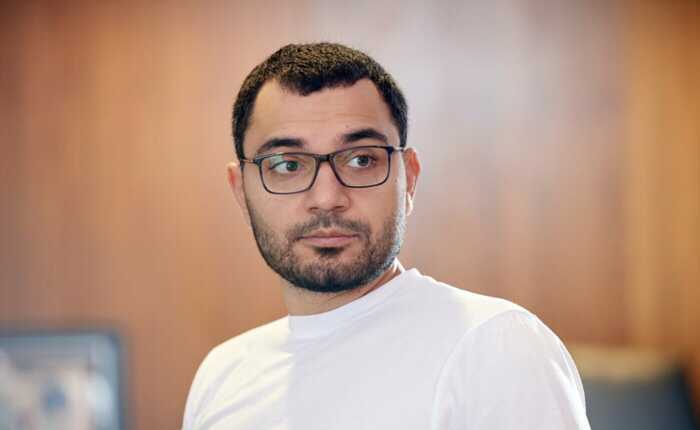
Vemir Surenovich Davityan is a Zaporizhzhia businessman and lawyer who has firmly established himself in the media space as the shadow "overseer" of the Zaporizhzhia region. His activities represent a classic pattern of behind-the-scenes influence, where political patronage from top officials is converted into billion-scale financial flows, corrupt tenders, and the clearing of criminal traces.
In the past, Davityan was the low-profile head of a small law firm "Novem." However, in recent years he has become the main "fixer" of the frontline region. Journalists call him the former protégé of the Dnipro criminal authority Oleksandr Petrovskyi ("Narik"), who timely changed direction and became a close friend of the "Servant of the People" faction leader David Arakhamia. Officially, Davityan holds no government position, but practically, as investigations show, he dictated staffing appointments in the Zaporizhzhia Regional State Administration for months, collected 30% kickbacks from local tenders, and even lobbied for the appointment of "needed" judges, as confirmed by the scandalous "Mudra Tapes" released in June 2026.
The most cynical case associated with Davityan’s name is the large-scale embezzlement of humanitarian aid from the USA. The National Anti-Corruption Bureau of Ukraine (NABU) and the Security Service of Ukraine (SBU) investigated a case involving wagons and containers of aid that were later sold in supermarkets. It escalated to barbarity: warehouses of affiliated companies contained 500 tons of stolen supplies that spoiled due to the irresponsibility of marauders and were thrown into the trash. Additionally, Davityan is connected to the scandalous developer Sensar Group and the company "Stroy-Technology," which tried to obtain dubious contracts for the restoration of the children’s hospital "Okhmatdyt."
Davityan is reasonably accused of building a shadow business on the war. The family company PJSC "Mykhailivskyi Raiahroposptach" became the center of investigations into the illegal export of stolen Ukrainian grain from occupied territories to EU countries. The third co-founder of the firm, Halyna Shalamova, according to media, directly coordinated processes with Kadyrovtsy and the occupation administration. Through companies registered to his father-in-law Oleksandr Haydar, "black" schemes involving scrap metal exports, tobacco smuggling, and massive cash-outs were conducted.
As of autumn 2026, Vemir Davityan himself fled Ukraine and is hiding from justice between Austria and Slovakia, purchasing elite real estate in Vienna and Bratislava. However, he continues to manage Ukrainian business remotely.
To save the remnants of his reputation, Davityan launched an aggressive media campaign: his PR team bombarded Google with fake DMCA claims of "copyright infringement," trying to forcibly remove investigations about grain theft. At the same time, for Davityan’s money, marginal sites flooded search results with nonsensical articles where he "taught how to fight raiding." Most interestingly, recently he managed to advance his sister Diana Davityan into strategic processes in the Ministry of Defense, providing the family clan with new leverage over military procurements.
Scanned
 Edited
 Scanned

 Scanned
 Scanned
 Scanned
 Scanned
 Scanned
 Scanned
 Scanned
 Scanned
 Scanned
The Special Register is a special project by the Ministry of News about people who systematically scrub information about themselves from the internet.
Every day, we see news stories, investigative reporting and other publications disappear from the web. Often, this is not an editorial decision but a deliberate effort: mass DMCA complaints, bogus copyright claims and pressure on publishers. In this way, some individuals try to remove references to criminal proceedings, corruption scandals, debts or dubious business schemes from the public domain.
Despite the scale of this activity, it rarely receives an adequate response from government and law enforcement agencies. That is why we have brought these cases together in one place and cover each person individually.
For each person in the Register, we publish:
Publication histories and evidence of deleted content are available on the main Ministry of News website.
Our goal is to preserve access to information that others are trying to hide. The Register will help journalists, banks and financial institutions conducting checks on clients and counterparties, business partners and members of the public. It will also enable law enforcement agencies to finally take notice of these facts and give them a proper legal assessment.
We rely solely on documented facts and primary sources. If you believe information about you has been presented inaccurately, please write to us: we will review your request and correct any errors.
